genz writes.
  • Home
    • articles >
      • Hot Topics + Activism
      • Perspective Pieces
      • Poetry + Short Stories
      • Advice + Well Being
      • STEM
  • Interviews
    • Student Interviews
    • Inspiring Interviews
    • Mental Health Series
  • WRITE FOR US
    • PITCH TO US
    • BECOME A WRITER
  • GenZ Girl Con
  • Contests
  • TEAM
    • Core Team
    • Writers >
      • GZW Writer Spotlight

SOCIAL ISSUES

#EndPeriodPoverty

3/14/2021

0 Comments

 
By: Vibhuti Nagar
Picture

​
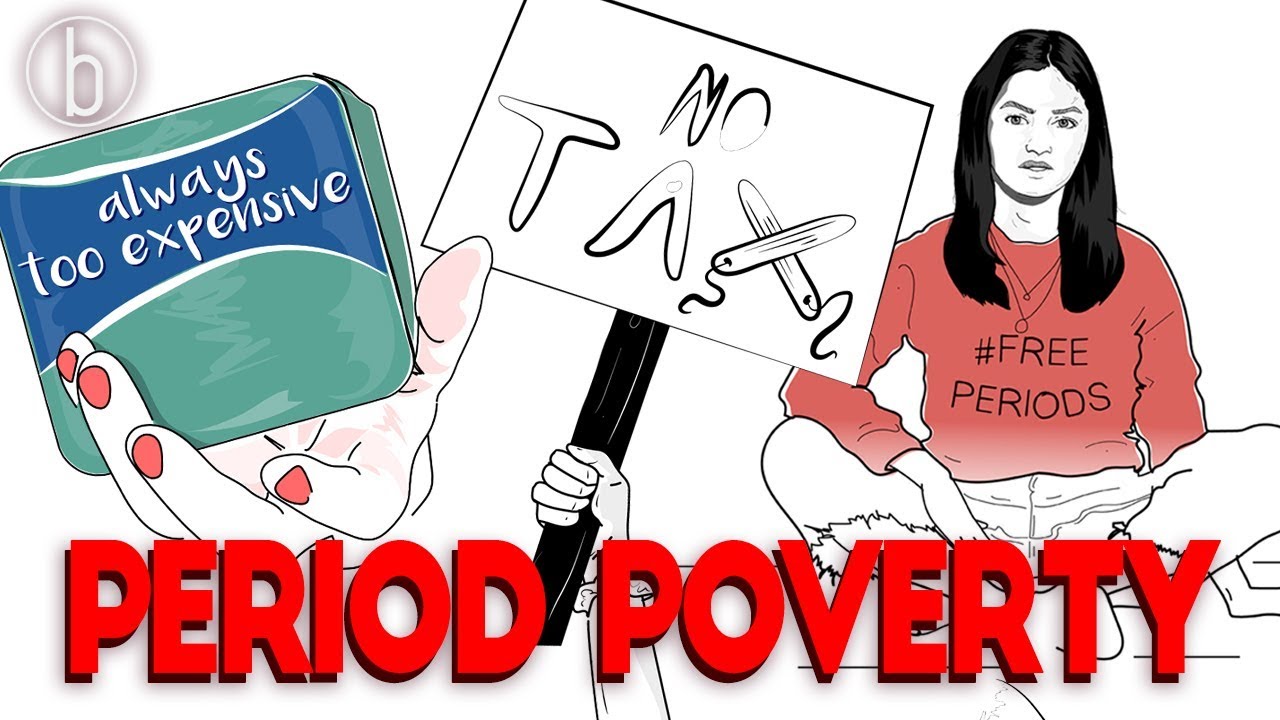
Period poverty is the lack of access to sanitary products, menstrual hygiene education, toilets, handwashing facilities, and or waste management. The term also refers to the increased economic vulnerability that women, especially young girls, face due to the financial burden posed by menstrual supplies. Around the world, consequences of period poverty can include a negative impact on the education of women. Girls often miss one or more days of school during their periods, which negatively impacts their education. Up to 500 million women and girls are living each month in period poverty. Due to financial constraints, they lack access to essential tools for menstrual hygiene management, such as sanitary products and handwashing facilities, which in turn, affect the other factors in their life and success.

Due to the current situation, period poverty has had a sharp increase in the past few months. Menstruators around the world have lost jobs and hence are unable to afford and access sanitary products and have now resorted to the use of newspapers, rags, and sometimes even free bleeding. Many institutions provided the necessary products required, but have now been forced to close due to the pandemic, preventing access to the products. Many schools in developing and low-income countries lack the necessary resources to support menstruators. In terms of statistics, that adds up to 500 million menstruators living in period poverty every single month. The reason menstrual hygiene is so important is that poor menstrual hygiene can cause many grave diseases – TSS (Toxic Shock Syndrome) and several other Urogenital Diseases. 

Additionally, one aspect that compounds period poverty is the “tampon tax”. "Tampon tax" is a popular term used to call attention to tampons and other feminine hygiene products which are being subject to value-added tax or sales tax (taxing tampons and pads as ‘luxuries’). In the past few years, many countries have made positive strides towards the removal of the tampon tax. 
In mid-2018, India scrapped its 12% tax (tampon tax) on all sanitary products after months of campaigning done by activists. In the UK, tampons and other women's sanitary products currently have 5% VAT added to their price, but this will be scrapped, saving the average woman £40 over her lifetime. The tax will be dropped when the transition period for Britain leaving the EU ends on 31 December.

The Stigma Behind Periods. Periods are a broadly disparaged issue. It is a theme that individuals generally feel awkward about discussing and is commonly a point that is just examined in secret. This is on the grounds that societies everywhere in the world have created adverse ideas and convictions about the monthly cycle. In light of the restrictions encompassing menstruation in numerous pieces of the world, there is a huge absence of wellbeing instruction assets accessible to individuals about the feminine cycle. It is this absence of information that powers legends that segregate and embarrass ladies during their month-to-month cycles. In Venezuela, many women are forced to sleep in huts for the duration of their menstruation. In rural Ghana, menstruating women are forbidden from entering a house with a man or cooking food. Many young women don’t have access to any type of sanitary pad, which can cause them to miss school and cause them to be 70% more likely to have reproductive tract infections.
(https://pha.berkeley.edu/2018/06/05/menstruation-stigma-must-stop-period/)

In conclusion, period poverty is a global issue that has to be ended.
A few things can be done by all of you to address this issue as well, like donating sanitary products to your local shelters and clinics and charities and signing petitions. If there are any local protests please join and take part and show your support for the cause. One of the main and most important ways you could easily help end period poverty is by raising awareness through social media and correct people when they aren’t educated and help spread the word!

0 Comments


Leave a Reply.

Powered by Create your own unique website with customizable templates.
  • Home
    • articles >
      • Hot Topics + Activism
      • Perspective Pieces
      • Poetry + Short Stories
      • Advice + Well Being
      • STEM
  • Interviews
    • Student Interviews
    • Inspiring Interviews
    • Mental Health Series
  • WRITE FOR US
    • PITCH TO US
    • BECOME A WRITER
  • GenZ Girl Con
  • Contests
  • TEAM
    • Core Team
    • Writers >
      • GZW Writer Spotlight